

✍️ Contributor: Piyan Sopian, S.Pd., M.Pd.
🎨 Teacher of Arts and Culture, SMAN 1 Jatiwaras, Tasikmalaya Regency
🖋️ Writer: Maztho – Secretary of DPD ASWIN, West Java Province / Chief Bureau of AswinNews West Java
🖥️ Editor: Kenzo ~ Editorial, | 📍Tasikmalaya | aswinnews.com
The Essence of Art and the Artist’s Calling
In the life of those who choose art as their lifelong vocation, there are at least four essential elements that must be nurtured: aesthetic sensitivity, technical skill, creative imagination, and broad insight.
These elements allow individuals to understand, appreciate, and utilize art as a medium to fulfill their aesthetic and human needs. Without sufficient aesthetic sensitivity, one cannot truly experience the beauty expressed in art; and without technical mastery and artistic sensibility, an artist cannot produce meaningful works.
To sustain these qualities, the creative abilities of an artist must be continuously trained and developed. This lifelong cultivation strengthens divergent thinking and enriches one’s capacity to generate ideas valuable to the evolution of human culture. The core development of artistic ability, therefore, lies in mastering techniques, sharpening aesthetic awareness, and expanding creative thinking.
Artistic activities ultimately serve as both a profession and a reflection of sensitivity, skill, and creativity—leading artists to develop an appreciative attitude toward all forms of cultural expression.
Synergy Between Art and Other Fields

An appreciative attitude toward cultural products is crucial, especially among artists.
For this reason, art must interact and synergize with other relevant disciplines. Artists today need broader networks—to introduce their artistic visions, collaborate with curators and critics, and engage with marketing professionals to promote their works. They also require access to media platforms for communication and interaction, transforming ideas and creativity into tangible appreciation.
Such interaction fosters dialogue, openness, and critical innovation. Through consistent communication between artists and the public, a sense of collective awareness and responsibility can grow, allowing art to flourish as a vital part of social life.
The Founding of HIPSIK and Its Role

In this spirit, the establishment of the Tasikmalaya Artists Association (HIPSIK)—pioneered by Hj. Rukmini Yusuf Afandi, Acep Zamzam Noor, Iwan Kuswana, Rendra Santana, Herman PG, Trina Puspasari, Yusa Widiana, Afrudin, Jamal Mural, Wildan Mulyana Ardani, Nana Suryana, Luky Lukita, and others—marks a significant step for Tasikmalaya’s art scene.
HIPSIK aims to be a gathering place and creative hub for artists to explore, research, and deepen their artistic expression. It serves as both a communication forum and advocacy channel, helping artists actualize their potential and contribute meaningfully to society’s aesthetic and cultural needs.
Creativity, Individuality, and Artistic Intelligence
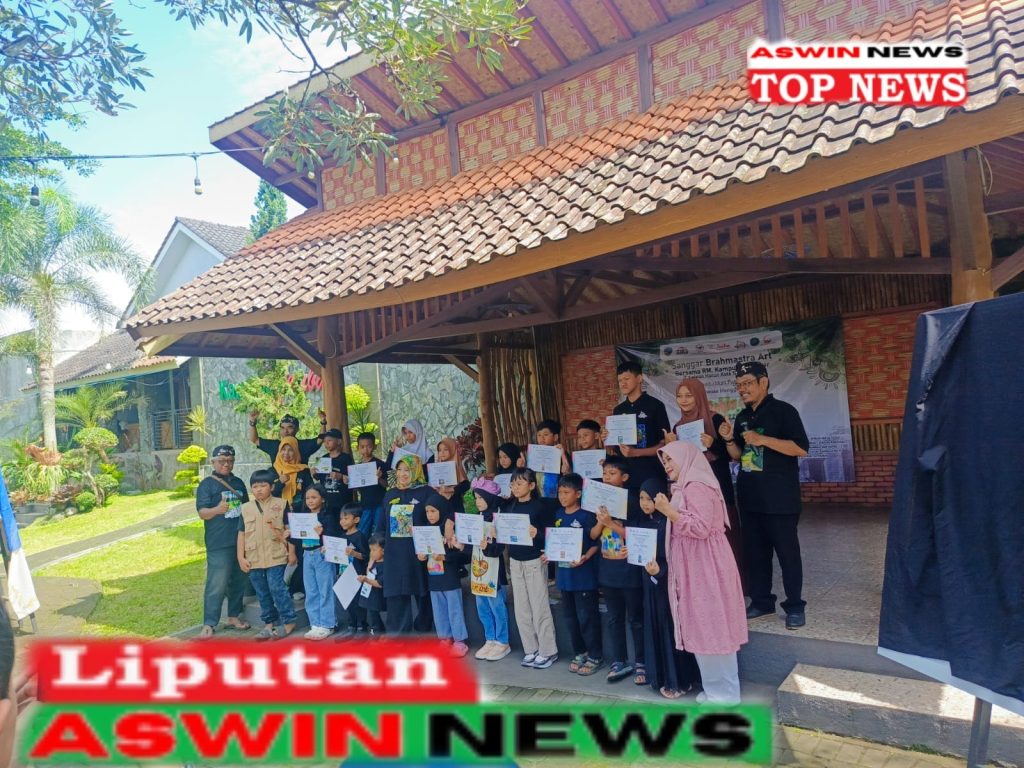
Every artwork born within HIPSIK reflects the intelligence and creativity of artists responding to their surroundings.
Through individual interpretations, they transform materials, ideas, and realities into visual forms—each with distinctive style and character.
Their works embody diversity in media, technique, and perspective, representing the artists’ freedom to explore and personalize their creative visions.
The creation of art, therefore, is not only an expression of beauty but also a medium for reflection, social commentary, and moral dialogue.
Art becomes a mirror through which artists reveal their thoughts, emotions, and lived experiences.
The Artist’s Reflection of Life and Society
HIPSIK artists often draw inspiration from daily human life, cultural memory, and social realities. Their artworks reflect both past and present experiences—serving as testimonies to human existence.
Through art, they communicate not only what they see but also what they feel and think.
The honesty, awareness, and thematic depth in their works demonstrate how artists portray community life through compelling visual languages. Their careful choice of materials, media, and techniques allows viewers to sense immersion in the depicted scenes.
Each piece becomes an aesthetic narrative, rich in visual beauty and moral meaning.
Observation, Imagination, and Expression
To achieve such artistic quality, artists must possess keen observation, emotional sensitivity, strong memory, and intellectual depth.
They do not simply reproduce what they see but undergo a process of reflection—observing, absorbing, and transforming their surroundings into personal visual statements.
HIPSIK artists succeed in capturing and interpreting aesthetic moments scattered within their imagination, weaving them into thematic compositions filled with symbolism, emotion, and authenticity.
Communicating Art to Society
The next stage of artistic creation is communication—connecting artworks with the public.
Each artist has a personal method of doing this, as the creative domain is inherently private. Yet, their works remain inseparable from the social dynamics and environment in which they exist.
By engaging in exhibitions, discussions, and community collaborations, HIPSIK members expand their understanding of both art and society. Their active participation in social life strengthens their perspective, allowing them to interpret human phenomena more deeply and responsively.
Ultimately, HIPSIK’s presence is a celebration of artistic consciousness, creative dialogue, and cultural contribution—a reminder that art is not only about beauty but also about the shared responsibility of nurturing human values through creativity.
AswinNews Editorial Note
The Tasikmalaya Artists Association (HIPSIK) exemplifies how local art communities can sustain cultural vitality through creativity, collaboration, and critical awareness.
AswinNews.com appreciates the dedication of HIPSIK’s artists in preserving and advancing visual art as both a form of expression and a cultural bridge between individuals and society.


